
Jamaica is not asking Britain for an apology this time. Jamaica is asking Britain’s own judges a legal question, in Britain’s own court, under a British law passed in 1833.
The case is now moving. Jamaica’s petition on slavery reparations sits before the Judicial Committee of the Privy Council in London, still Jamaica’s final court of appeal, and the process has dates attached: according to Culture Minister Olivia Grange, citing the Privy Council registrar, the UK government has until November 20, 2026 to file its case, with a preliminary hearing pencilled in for March 2027. The story returned to international headlines on November 4, as GlobalPost reported on the legal challenge and what it asks.
Three Questions, Asked Plainly
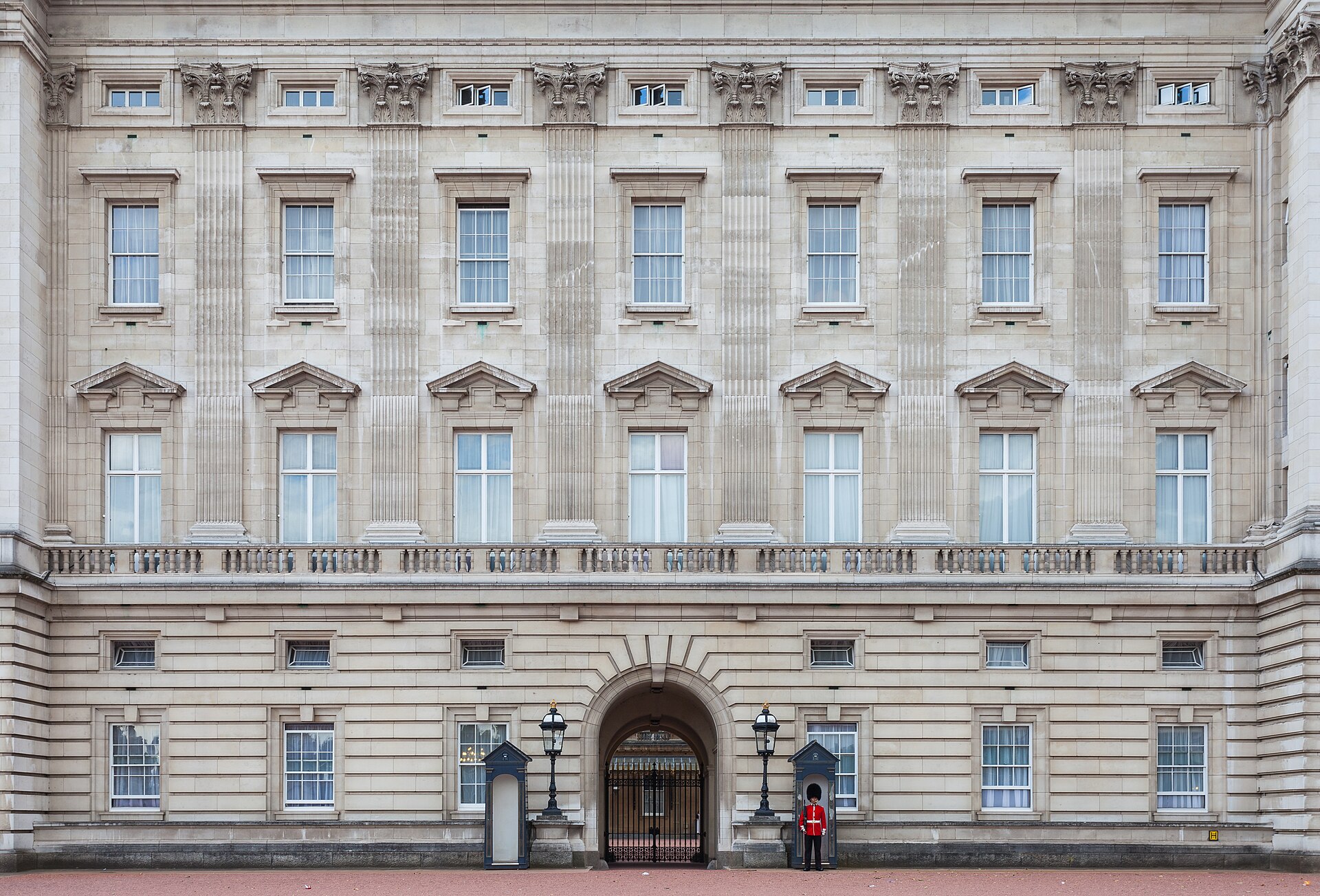
On September 7, a Jamaican delegation led by Minister Grange delivered the petition to Buckingham Palace. It asks King Charles III, Jamaica’s head of state, to refer three questions to the Privy Council under Section 4 of the Judicial Committee Act of 1833, a provision that lets the monarch send legal questions to the court for an advisory opinion.
The questions are these. Was the forced transportation and enslavement of Africans in Jamaica lawful under English common law at the time? Did those practices breach international law and amount to crimes against humanity? And does Britain carry a legal obligation to provide reparations for slavery and its continuing effects?
“The UK drew immense wealth from Jamaica during the colonial era, but centuries of exploitation left us with an economic and social deficit we are still fighting to overcome,” Minister Grange wrote in the Guardian, in a plea addressed to the King.
The King referred the petition to the Privy Council, a development Minister Grange announced in Parliament on September 22, according to the Guardian’s reporting carried by Black Enterprise. The British government restated the same day the petition was delivered that it would not pay reparations.
What This Case Is, And What It Is Not
The petition is a legal challenge, not a cash demand. Minister Grange has clarified, according to the Jamaica Information Service, that the initiative seeks legal answers rather than a monetary settlement, and a Privy Council opinion would be advisory: it would not, on its own, compel the British government to pay compensation.
The history underneath it is not advisory at all. Britain passed the Slavery Abolition Act in 1833 and set aside 20 million pounds to compensate slave owners for their loss of human property, a sum that ran to roughly 40 percent of the government’s annual spending at the time. The enslaved received nothing. Full freedom came to Jamaica in 1838. The CARICOM Reparations Commission, established in 2013, has argued for years that European governments built and profited from the legal and fiscal systems that sustained slavery.
No Commonwealth country has ever taken this exact legal route before, which is why lawyers and historians are watching the November 20 filing deadline closely: Britain now has to answer the questions in legal writing, in its own court.
Why It Matters To The Diaspora
For Jamaicans at home and across the diaspora, this is the reparations argument moved out of speeches and into a courtroom record. Whatever the Privy Council advises, the questions are now formally on file, and the answers will be written down by judges who sit in the King’s name.
Nation, your voice matters here: should Jamaica keep pressing this legal route all the way, or is justice for slavery something no court can deliver?
Photo: Buckingham Palace, London, stock imagery
Leave a Reply