
If you are boarding a flight to the United States tonight, or on any night in the weeks ahead, there is a new step waiting at check-in, and nobody is exempt from it.
Under an order from the US Centers for Disease Control and Prevention (CDC), every person boarding an international flight to the United States must sign a statement, called an attestation, confirming that they have not been in the Democratic Republic of the Congo (DRC) at any point during the 21 days before their flight. The requirement took effect at 11:59 PM Eastern tonight, Tuesday, November 3, and it applies to flights departing Jamaica and every other country in the world.
The CDC issued the order on October 22 and amended it on October 28 to make clear that it covers everyone travelling on any aircraft, including flight crew. The measure is a public health response to the Ebola outbreak in the DRC. The 21-day window is not random: it matches the maximum incubation period for Ebola, the time between exposure to the virus and the first symptoms. The CDC says the overall risk to the American public and to travellers remains low.
Who the rule covers
Everyone. The order applies to US citizens, US nationals, lawful permanent residents (Green Card holders), foreign nationals visiting the United States, and airline crew, including crew travelling in a non-operating capacity. It also applies to passengers who are only connecting through the United States on their way to another country, whether or not they leave the aircraft.
Being in the DRC counts in full. A passenger who connected through an airport in the DRC is treated as having been in the country, even if they never left the plane. The requirement covers air travel only: land border crossings and seaports are not included, and US territories such as Puerto Rico and the US Virgin Islands are not treated as foreign countries under the order.
What happens at the airport
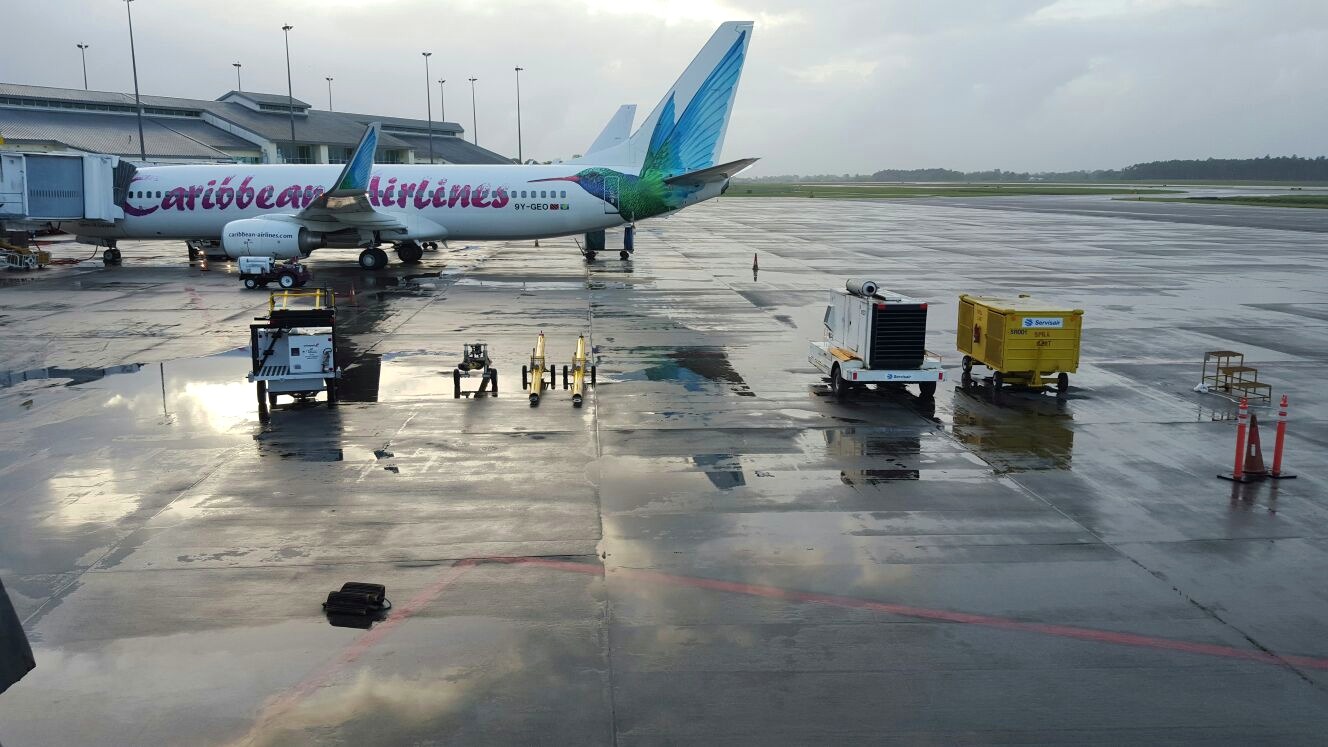
Airlines are responsible for collecting the attestation before boarding, on paper or through a digital process, and they must keep each traveller’s form for at least 42 days after the flight arrives. Caribbean Airlines has advised its passengers travelling to the United States to complete and submit the form before check-in to avoid delays, the Trinidad Tribune reported. Cayman Airways issued a similar advisory to its customers, noting that the requirement is a US government measure and not an airline policy.
There is no boarding without it. A passenger who does not complete the attestation will not be allowed on the flight, unless the US government has issued them an exemption. Anyone who has been in the DRC during the 21-day window must wait it out: travel to the United States opens up again on day 22 after leaving the country. Families can breathe a little easier on the paperwork, though. One authorised adult can sign on behalf of children and other members of a travelling party, as long as a record exists for every individual passenger.
The signature carries weight. Under the CDC order, willfully providing false or misleading information on the attestation can lead to criminal fines and imprisonment under US federal law.
Why this lands hard in the Caribbean
The timing matters. The rule arrives at the start of the busiest travel stretch of the year for the Jamaican and Caribbean diaspora, the run into Thanksgiving and Christmas, when flights between Kingston, Montego Bay, Port of Spain and the US mainland run full with family, barrels and holiday plans.
To be clear about what this is and what it is not: it is not a ban on Caribbean travellers, and it is not aimed at the region. It is a worldwide rule tied to one country and one outbreak. But it will be felt at Norman Manley International Airport and Sangster International Airport just the same, because every US-bound departure is covered, on every airline.
According to the Trinidad Tribune, the order is scheduled to remain in effect until December 18, unless it is amended or withdrawn earlier.
Before you travel
Check with your airline before you head to the airport and complete the form the way your airline asks for it, online or at check-in. Give yourself extra time, especially in the first days while check-in staff and passengers alike adjust to the new step. The form asks one question, and for the overwhelming majority of travellers the answer is a simple no. The only mistake that can cost you a flight is leaving it to the last minute.
Sources: US Centers for Disease Control and Prevention, attestation order and guidance (updated November 3, 2026); Trinidad Tribune, “US-bound passengers must make Ebola declaration” (November 3, 2026); Cayman Airways travel advisory (November 2026).
Leave a Reply